Buy topologie.eu ?
We are moving the project
topologie.eu .
Are you interested in purchasing the domain
topologie.eu ?
domain@kv-gmbh.de · 0541-91531010
Buy topologie.eu ?
What does food habitat mean?
Food habitat refers to the specific environment or area where an organism can find the food it needs to survive and thrive. It includes the types of food available, the accessibility of the food source, and the interactions between different species competing for the same resources. Understanding the food habitat of an organism is crucial for conservation efforts and ecosystem management, as it helps in predicting how changes in food availability can impact the population dynamics of species. **
What is the difference between organic and eco-friendly products?
Organic products are made from ingredients that are grown without the use of synthetic pesticides, herbicides, or fertilizers, and are often certified by a regulatory body. Eco-friendly products, on the other hand, are designed to have minimal impact on the environment throughout their entire lifecycle, from production to disposal. While organic products focus on the natural ingredients used, eco-friendly products consider the overall environmental impact of the product. In essence, organic products focus on the ingredients, while eco-friendly products focus on the entire product lifecycle. **

Similar search terms for Habitat
Top-Angebote
Products related to Habitat:
-
TIMELESS Handmade Tablecloth by Sustainable Threads Organic Cotton Handwoven Ikat Fair TradeTIMELESS Tablecloth Add rich heritage and extraordinary craftsmanship to your table with our TIMELESS Tablecloth, meticulously handmade from organic cotton and woven on traditional manual looms.152,00 $*Shipping: 0,00 $Secure redirect to the provider
-
Superior Eco-Friendly Sustainable Cotton 6-Piece Bathroom Towel SetMade with incredibly soft recycled cotton, the Eco-Friendly Sustainable Cotton Bathroom Towel Set is the perfect green addition to any bathroom space. Our sustainable Cotton towels have a lightweight to get you dry quickly after a shower or bath.40,04 $*Shipping: 0,00 $Secure redirect to the provider
-
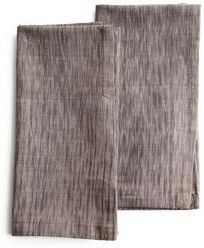
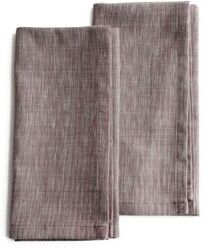
"TIMELESS Organic Cotton Napkins - Handmade, Fair Trade, Eco-Dyed by Sustainable Threads - 20""x20"" (Set of 2)"TIMELESS Collection Handwoven Organic Cotton Napkins - Set of 2 Classic and enduring, these yarn-dyed, handwoven napkins are crafted from indigenous, drought-resistant organic cotton using traditional handspun and botanical dye methods.64,00 $*Shipping: 0,00 $Secure redirect to the provider



-
Is organic sustainable?
Organic farming practices can be more sustainable than conventional methods in terms of reducing chemical inputs, promoting biodiversity, and improving soil health. However, there are challenges to the scalability and efficiency of organic farming, which can impact its overall sustainability. For example, organic farming typically requires more land and labor to produce the same amount of food as conventional methods, which can limit its ability to meet global food demand. Additionally, the transportation and distribution of organic products can have a higher environmental impact due to their shorter shelf life and the need for refrigeration. Overall, while organic farming has many sustainable benefits, there are also limitations to its long-term sustainability on a large scale. **
-
What habitat is the sandy seabed?
The sandy seabed is a habitat found in shallow coastal waters and the deep ocean. It is characterized by a bottom covered in sand particles, with little to no vegetation or coral reefs. This habitat is home to a variety of marine organisms such as sand dollars, flatfish, and certain species of sharks and rays. The sandy seabed provides a substrate for burrowing animals and is an important feeding ground for many species of fish. **
-
How do lifespan and habitat influence jellyfish?
Lifespan and habitat play a significant role in influencing jellyfish populations. Different species of jellyfish have varying lifespans, with some living only a few months while others can live for several years. The habitat in which jellyfish reside also impacts their population dynamics, as certain environmental conditions such as temperature, salinity, and food availability can affect their growth and reproduction rates. Additionally, changes in habitat due to human activities, such as pollution and overfishing, can lead to an increase in jellyfish populations in some areas. **
-
How are reptiles adapted to their habitat?
Reptiles are adapted to their habitat in several ways. Some of the key adaptations include: 1. Scales or shells: Reptiles have scales or shells that help protect them from predators and harsh environmental conditions. These structures also help reduce water loss through their skin. 2. Efficient metabolism: Reptiles have a slow metabolism which allows them to survive in environments with limited food resources. They can go for long periods without eating. 3. Behavioral adaptations: Reptiles have developed various behaviors to help them survive in their habitats. For example, some species bask in the sun to regulate their body temperature, while others burrow underground to escape extreme temperatures. 4. Camouflage: Many reptiles have evolved to blend in with their surroundings, making them less visible to predators or prey. 5. Specialized senses: Reptiles have specialized senses such as heat-sensing pits, which help them detect prey or predators in their environment. Overall, these adaptations help reptiles thrive in a wide range of habitats, from deserts to rainforests. **


What is a habitat for an aquarium?
A habitat for an aquarium is a carefully designed environment that mimics the natural living conditions of the aquatic species being housed. It includes elements such as water quality, temperature, lighting, plants, rocks, and hiding spots to ensure the health and well-being of the fish or other aquatic animals. Creating a suitable habitat is essential for the inhabitants to thrive and exhibit their natural behaviors. Regular maintenance and monitoring of the habitat are also crucial to keep the aquarium ecosystem stable. **
How have crocodiles adapted to their habitat?
Crocodiles have adapted to their habitat in several ways. Their streamlined bodies and webbed feet help them move swiftly through water, making them efficient hunters. Their ability to regulate their body temperature by basking in the sun or cooling off in the water allows them to thrive in a range of environments. Their powerful jaws and sharp teeth are well-suited for catching and consuming prey, making them top predators in their ecosystems. **
Top-Angebote
Products related to Habitat:
-
"TIMELESS Organic Cotton Napkins - Handmade, Fair Trade, Eco-Dyed by Sustainable Threads - 20""x20"" (Set of 2)"TIMELESS Collection Handwoven Organic Cotton Napkins - Set of 2 Classic and enduring, these yarn-dyed, handwoven napkins are crafted from indigenous, drought-resistant organic cotton using traditional handspun and botanical dye methods.64,00 $*Shipping: 0,00 $Secure redirect to the provider
-
Uplift Essentials Natural Bamboo Eco Friendly Toothbrush 10 Piece Sustainable Family Pack Natural Bamboo Eco Friendly Toothbrush 10 Piece Sustainable Family PackTransition to a greener routine with this Natural Bamboo Toothbrush Set, a premium collection of bamboo products designed to reduce environmental impact without compromising on performance. Each handle is crafted from 100% sustainable bamboo,...37,97 $*Shipping: 0,00 $Secure redirect to the provider
-
TIMELESS Handmade Tablecloth by Sustainable Threads Organic Cotton Handwoven Ikat Fair TradeTIMELESS Tablecloth Add rich heritage and extraordinary craftsmanship to your table with our TIMELESS Tablecloth, meticulously handmade from organic cotton and woven on traditional manual looms.152,00 $*Shipping: 0,00 $Secure redirect to the provider
-
Superior Eco-Friendly Sustainable Cotton 6-Piece Bathroom Towel SetMade with incredibly soft recycled cotton, the Eco-Friendly Sustainable Cotton Bathroom Towel Set is the perfect green addition to any bathroom space. Our sustainable Cotton towels have a lightweight to get you dry quickly after a shower or bath.40,04 $*Shipping: 0,00 $Secure redirect to the provider
-
What does food habitat mean?
Food habitat refers to the specific environment or area where an organism can find the food it needs to survive and thrive. It includes the types of food available, the accessibility of the food source, and the interactions between different species competing for the same resources. Understanding the food habitat of an organism is crucial for conservation efforts and ecosystem management, as it helps in predicting how changes in food availability can impact the population dynamics of species. **
-
What is the difference between organic and eco-friendly products?
Organic products are made from ingredients that are grown without the use of synthetic pesticides, herbicides, or fertilizers, and are often certified by a regulatory body. Eco-friendly products, on the other hand, are designed to have minimal impact on the environment throughout their entire lifecycle, from production to disposal. While organic products focus on the natural ingredients used, eco-friendly products consider the overall environmental impact of the product. In essence, organic products focus on the ingredients, while eco-friendly products focus on the entire product lifecycle. **
-
Is organic sustainable?
Organic farming practices can be more sustainable than conventional methods in terms of reducing chemical inputs, promoting biodiversity, and improving soil health. However, there are challenges to the scalability and efficiency of organic farming, which can impact its overall sustainability. For example, organic farming typically requires more land and labor to produce the same amount of food as conventional methods, which can limit its ability to meet global food demand. Additionally, the transportation and distribution of organic products can have a higher environmental impact due to their shorter shelf life and the need for refrigeration. Overall, while organic farming has many sustainable benefits, there are also limitations to its long-term sustainability on a large scale. **
-
What habitat is the sandy seabed?
The sandy seabed is a habitat found in shallow coastal waters and the deep ocean. It is characterized by a bottom covered in sand particles, with little to no vegetation or coral reefs. This habitat is home to a variety of marine organisms such as sand dollars, flatfish, and certain species of sharks and rays. The sandy seabed provides a substrate for burrowing animals and is an important feeding ground for many species of fish. **
Similar search terms for Habitat
-
"TIMELESS Organic Cotton Napkins - Handmade, Fair Trade, Eco-Dyed by Sustainable Threads - 20""x20"" (Set of 2)"TIMELESS Collection Handwoven Organic Cotton Napkins - Set of 2 Classic and enduring, these yarn-dyed, handwoven napkins are crafted from indigenous, drought-resistant organic cotton using traditional handspun and botanical dye methods.64,00 $*Shipping: 0,00 $Secure redirect to the provider
-
TIMELESS Handmade Tablecloth by Sustainable Threads Organic Cotton Handwoven Ikat Fair TradeTIMELESS Tablecloth Add rich heritage and extraordinary craftsmanship to your table with our TIMELESS Tablecloth, meticulously handmade from organic cotton and woven on traditional manual looms.220,00 $*Shipping: 0,00 $Secure redirect to the provider
-
How do lifespan and habitat influence jellyfish?
Lifespan and habitat play a significant role in influencing jellyfish populations. Different species of jellyfish have varying lifespans, with some living only a few months while others can live for several years. The habitat in which jellyfish reside also impacts their population dynamics, as certain environmental conditions such as temperature, salinity, and food availability can affect their growth and reproduction rates. Additionally, changes in habitat due to human activities, such as pollution and overfishing, can lead to an increase in jellyfish populations in some areas. **
-
How are reptiles adapted to their habitat?
Reptiles are adapted to their habitat in several ways. Some of the key adaptations include: 1. Scales or shells: Reptiles have scales or shells that help protect them from predators and harsh environmental conditions. These structures also help reduce water loss through their skin. 2. Efficient metabolism: Reptiles have a slow metabolism which allows them to survive in environments with limited food resources. They can go for long periods without eating. 3. Behavioral adaptations: Reptiles have developed various behaviors to help them survive in their habitats. For example, some species bask in the sun to regulate their body temperature, while others burrow underground to escape extreme temperatures. 4. Camouflage: Many reptiles have evolved to blend in with their surroundings, making them less visible to predators or prey. 5. Specialized senses: Reptiles have specialized senses such as heat-sensing pits, which help them detect prey or predators in their environment. Overall, these adaptations help reptiles thrive in a wide range of habitats, from deserts to rainforests. **
-
What is a habitat for an aquarium?
A habitat for an aquarium is a carefully designed environment that mimics the natural living conditions of the aquatic species being housed. It includes elements such as water quality, temperature, lighting, plants, rocks, and hiding spots to ensure the health and well-being of the fish or other aquatic animals. Creating a suitable habitat is essential for the inhabitants to thrive and exhibit their natural behaviors. Regular maintenance and monitoring of the habitat are also crucial to keep the aquarium ecosystem stable. **
-
How have crocodiles adapted to their habitat?
Crocodiles have adapted to their habitat in several ways. Their streamlined bodies and webbed feet help them move swiftly through water, making them efficient hunters. Their ability to regulate their body temperature by basking in the sun or cooling off in the water allows them to thrive in a range of environments. Their powerful jaws and sharp teeth are well-suited for catching and consuming prey, making them top predators in their ecosystems. **
* All prices are inclusive of VAT and, if applicable, plus shipping costs. The offer information is based on the details provided by the respective shop and is updated through automated processes. Real-time updates do not occur, so deviations can occur in individual cases. ** Note: Parts of this content were created by AI.